Exhibiting at a Furniture Trade Fair requires businesses to invest in booth rental, product transportation, staff, and promotion. Therefore, many businesses ask how much value this investment can bring to their business.
In fact, a trade fair is not only a place to display products. It also creates opportunities to meet buyers face to face, find business partners, research the market, and build brand awareness. So, what are the benefits of exhibiting at a furniture and home furnishings trade fair, and how can businesses make the most of these opportunities?
Is exhibiting at a Furniture Trade Fair really worth it?
A Furniture Trade Fair brings together manufacturers, suppliers, and businesses in the furniture and home furnishings industry to meet customers, partners, and other industry players. It is also an opportunity to introduce new products, keep up with trends, and explore potential business opportunities.
However, the results of exhibiting depend on the business’s objectives, product designs and quality, the needs of importers, buyers and visitors, and how well the business prepares before the event.
A business may or may not secure an order or sign a contract during the trade fair. However, it can still meet potential customers, receive quotation requests, or start in-depth discussions that may lead to long-term cooperation in the future.
Therefore, businesses should not measure a trade fair’s success only by the number of orders or contracts secured during the four-day event. New relationships, market insights, and business opportunities that arise after the trade fair are also valuable outcomes of exhibiting.
Here are 7 benefits businesses should not miss at a Furniture Trade Fair
Reach international buyers and customers
One of the biggest benefits of exhibiting at Furniture Show is the opportunity to meet customers who are actively looking for products and suitable suppliers.
Depending on the scale and focus of the trade fair, businesses may meet importers, buyers, distributors, wholesalers, retail chains, or purchasing teams sourcing furniture and home furnishings for hotels, resorts, and commercial projects.
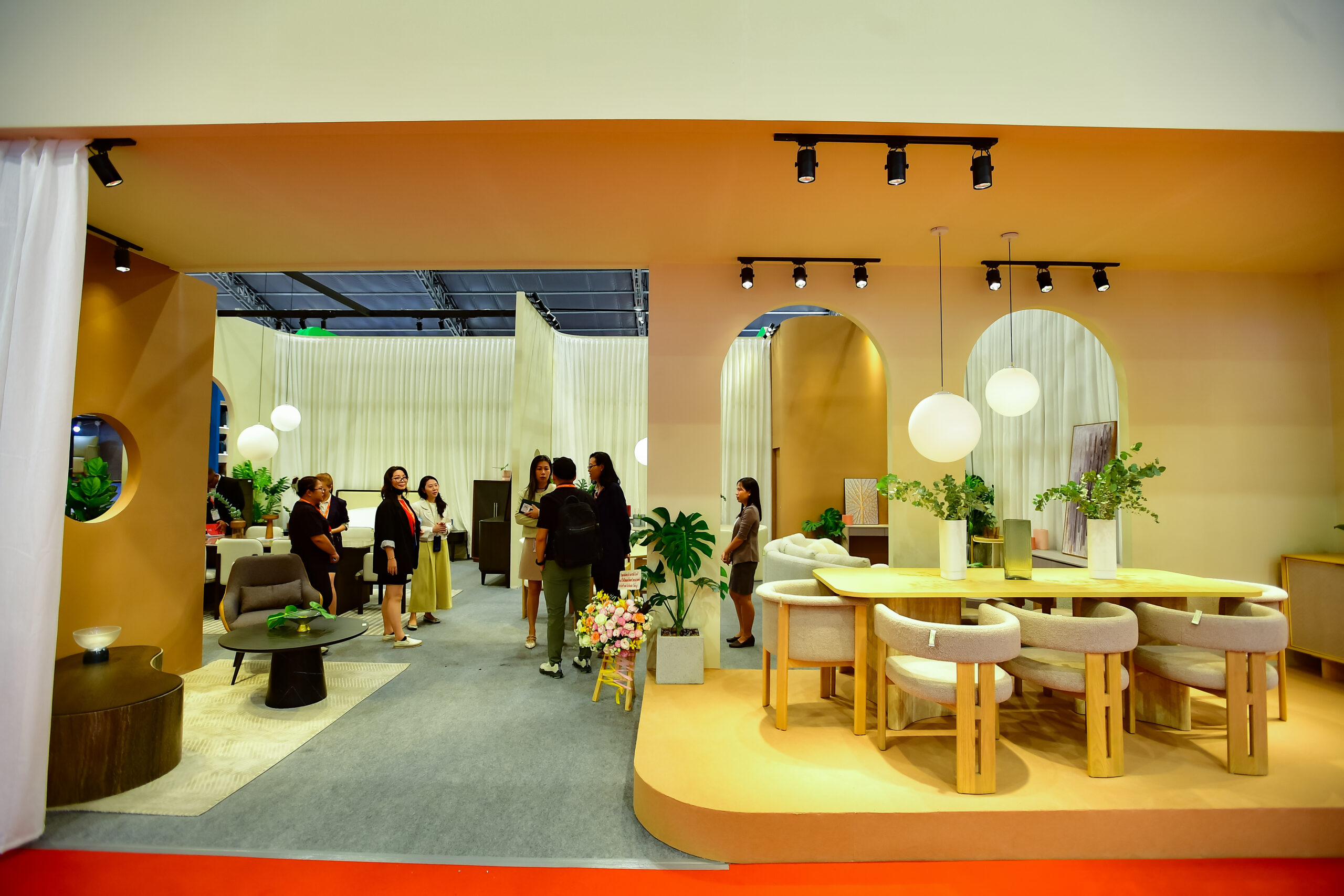
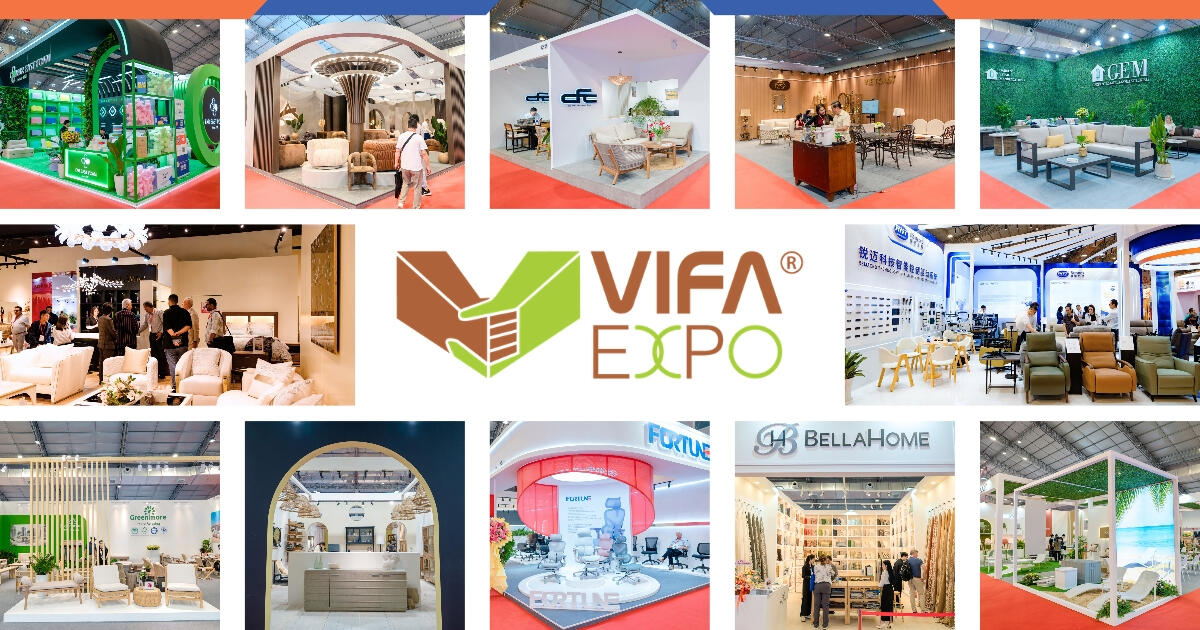
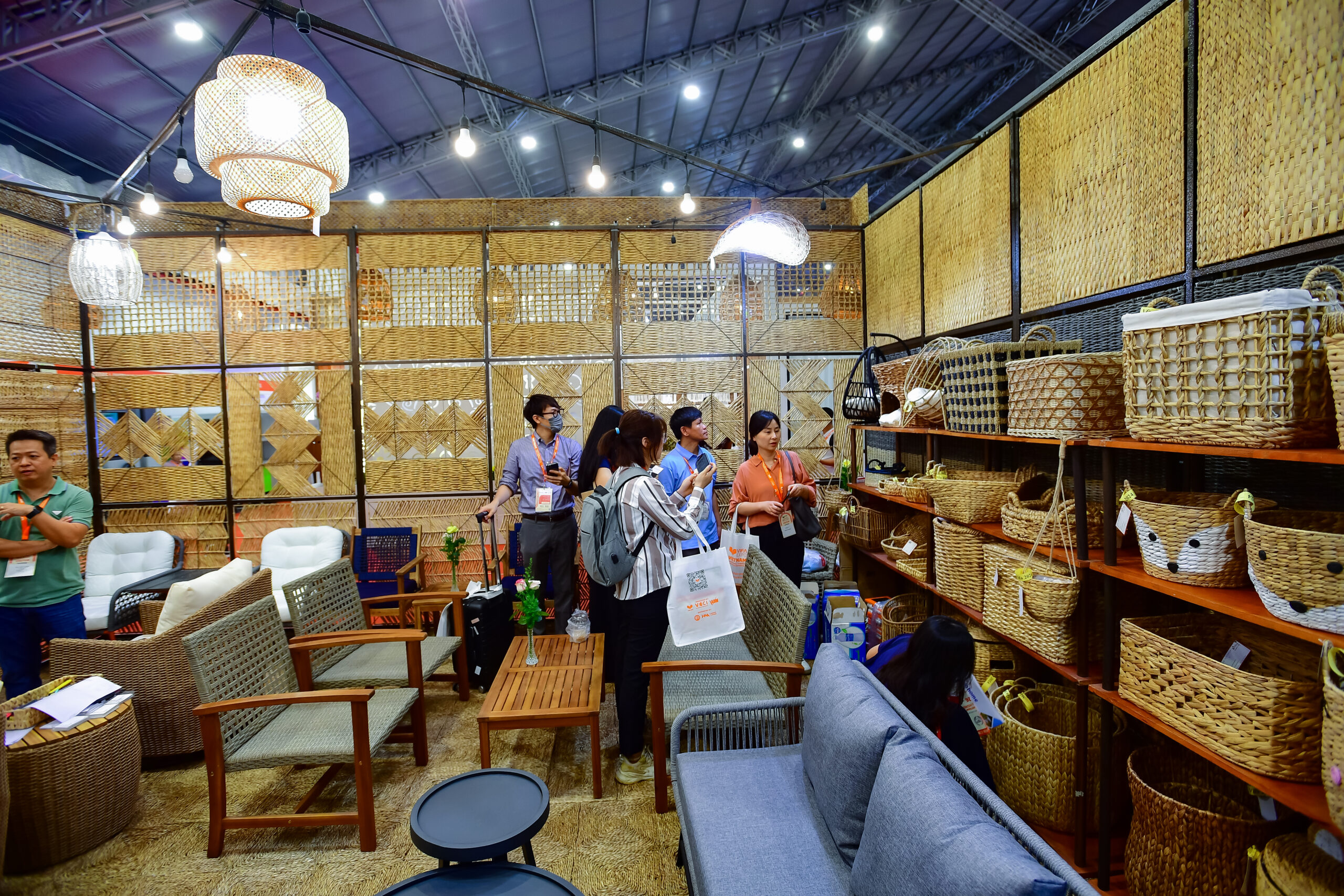
VIFA EXPO 2026 – Product Diversity
VIFA EXPO 2026 – Product Diversity
VIFA EXPO 2026 – Product Diversity
VIFA EXPO 2026 – Product Diversity
VIFA EXPO 2026 – Product Diversity
VIFA EXPO 2026 – Product Diversity
VIFA EXPO 2026 – Product Diversity
VIFA EXPO 2026 – Product Diversity
Instead of finding customers one by one through different channels, advertising methods, or other activities, businesses can meet a large number of potential customers who visit the trade fair within a short period. This allows exhibitors to introduce their products and talk with many potential partners at one event.
For furniture, home furnishings, and handicraft exporters in particular, meeting international buyers in person allows buyers to examine product designs and materials, experience product quality, discuss prices and quantities, and place orders on the spot.
Showcase products in person and build a competitive advantage
In the furniture and home furnishings industry, attractive catalogue photos still cannot fully show a product’s quality. Customers need to see and experience the materials, colours, dimensions, finishing, and functionality before making a purchasing decision.
A trade fair allows businesses to display actual products and makes it easier for buyers to evaluate and compare different options.
It is also an opportunity for businesses to highlight their products’ advantages and unique features, such as custom designs, materials used, customization options, or the ability to manufacture products according to specific requirements.
Find distribution partners and expand export markets
For businesses looking to expand their export activities, a furniture and home furnishings trade fair can be a channel for finding partners in new markets around the world, including Europe, the Americas, Asia, and Africa.
Through face-to-face meetings, businesses can connect with importers, buyers, agents, distributors, and companies looking for suppliers. This is an opportunity to introduce their product range, learn about market demand, and discuss potential cooperation.
Expanding export markets can also help businesses reduce their dependence on a single customer group or export market. With more partners in different regions, businesses have more options for their manufacturing and export activities.
Build brand awareness and strengthen credibility
Exhibiting at a trade fair is not only about selling products. It also helps businesses build and shape their brand image within the industry.
A professionally prepared booth, products that meet export-quality standards, and clear company information help buyers better understand a business’s capabilities. It is also an opportunity to introduce the production process, export experience, design and production teams, and ability to handle orders.
For businesses entering international markets for the first time, exhibiting at a suitable industry trade fair can increase brand awareness, create opportunities to secure orders and export contracts, and expand their partner network.
In addition to showcasing, businesses can promote their brands through other communication channels, such as their websites, social media, digital product catalogues, and email, before, during, and after the event.
Understand market trends and customer needs
The furniture market is constantly changing in terms of design trends, materials, colours, and consumer needs. If businesses rely only on their experience or existing sales data, they may miss changes in market demand.
A furniture trade fair allows businesses to observe the product lines being showcased, learn how other companies develop their products, and listen to direct feedback from buyers.
Through conversations with buyers, businesses can learn more about consumer trends, price segments, material requirements, and the standards that matter in their target markets.
The information collected at a trade fair does not replace in-depth market research, but it can provide practical insights to help businesses make better-informed decisions.
Study competitors and improve product capabilities
A trade fair gives businesses a chance to observe how other companies present their products, design their booths, and approach customers.
Businesses can learn about product lines attracting attention, material choices, packaging design, promotional messages, and how other suppliers present their capabilities.
These observations can help businesses identify their strengths, areas for improvement, and opportunities to stand out in the market.
Build business relationships and create long-term opportunities
Beyond receiving orders or signing contracts at a trade fair, cooperation in the furniture, home furnishings, and handicraft industries may involve several steps, such as exchanging information, sending samples, evaluating product quality, negotiating prices, and agreeing on delivery terms.
Therefore, a meeting at a trade fair can be the starting point of a long-term business relationship.
In addition to buyers, businesses may also meet design firms, material suppliers, logistics partners, and other companies in the same supply chain. These relationships may support manufacturing, product development, and market expansion in the future.
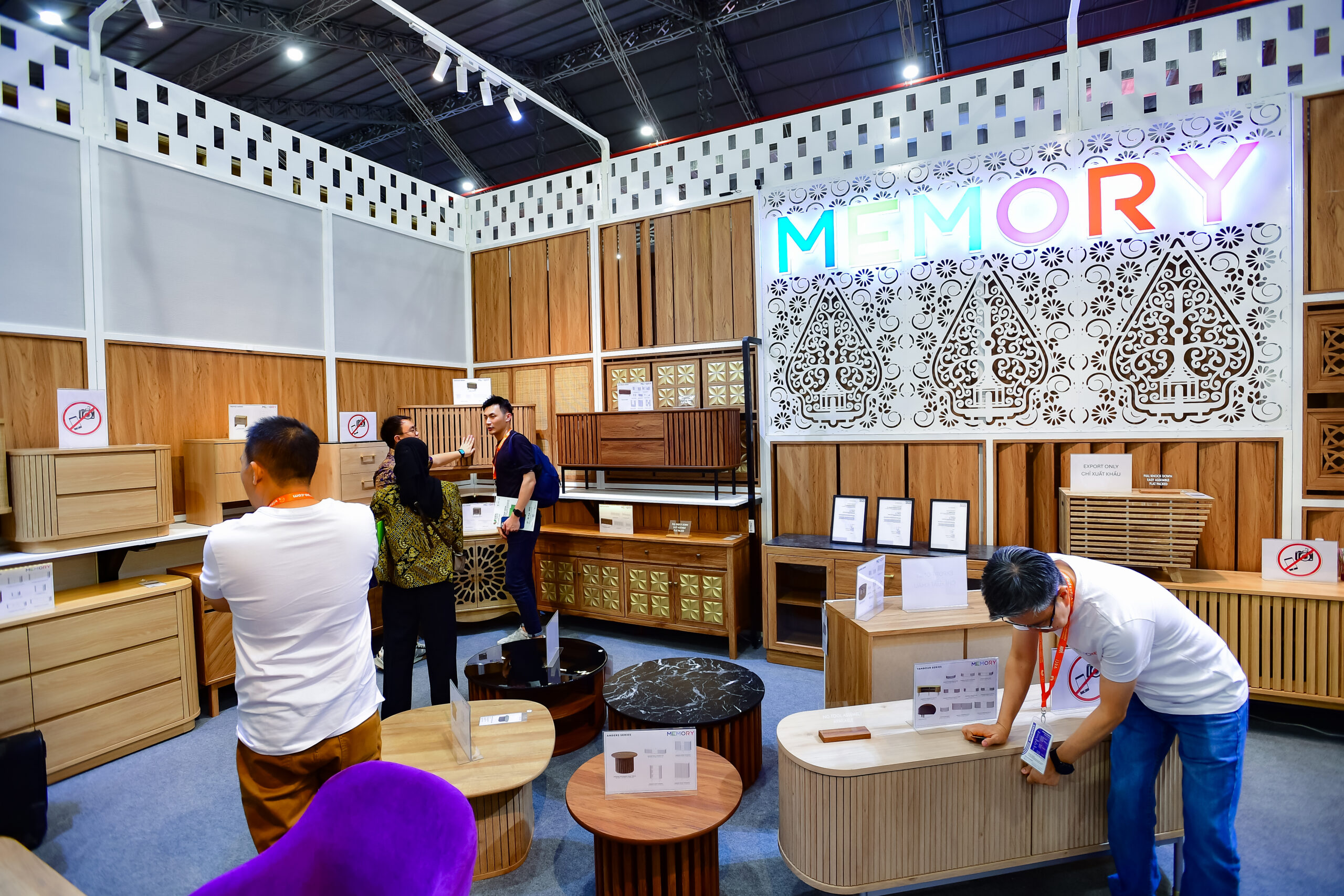
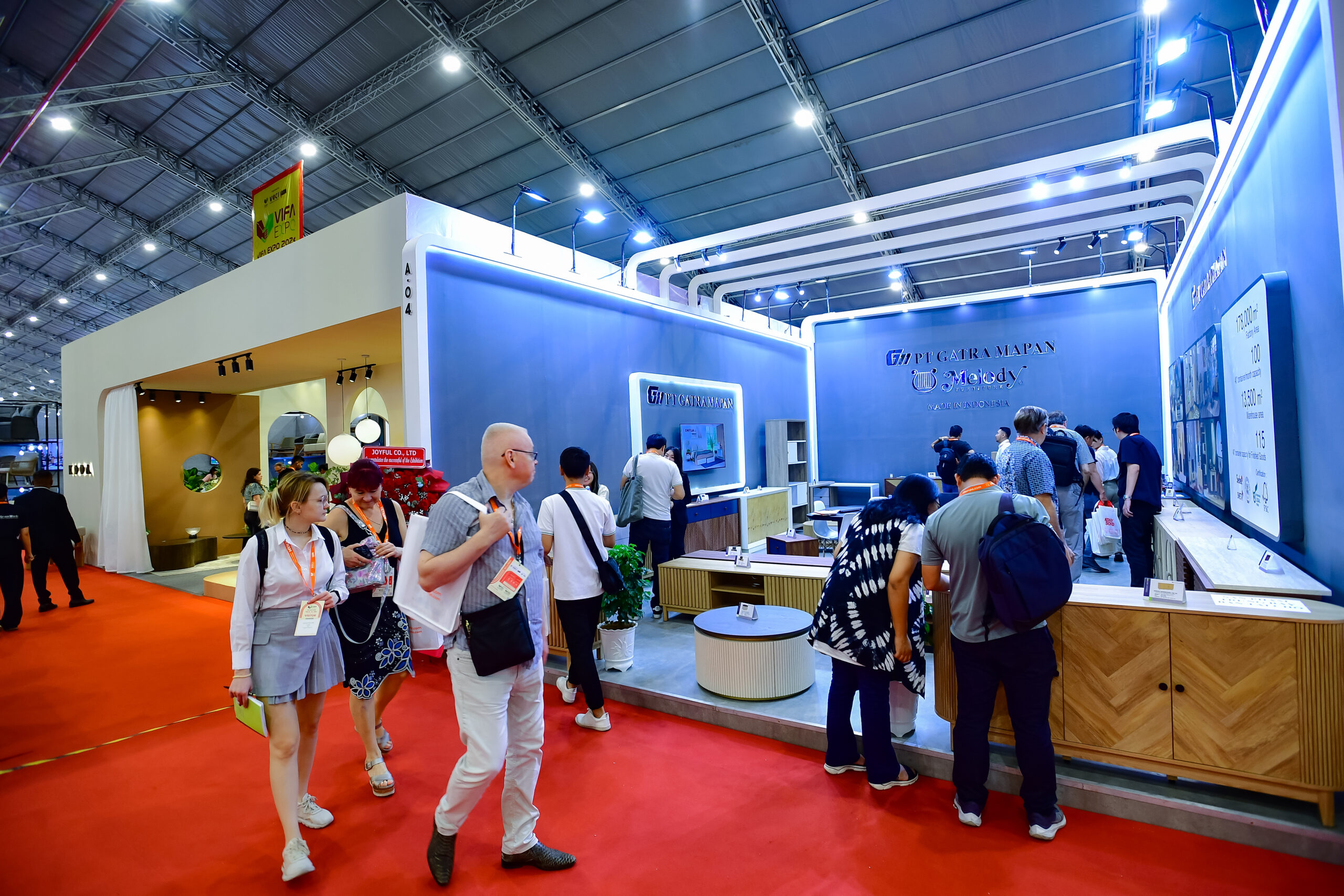
VIFA EXPO 2026 – The quality of visitors creates practical value
VIFA EXPO 2026 – The quality of visitors creates practical value
VIFA EXPO 2026 – The quality of visitors creates practical value
VIFA EXPO 2026 – The quality of visitors creates practical value
VIFA EXPO 2026 – The quality of visitors creates practical value
VIFA EXPO 2026 – The quality of visitors creates practical value
VIFA EXPO 2026 – The quality of visitors creates practical value
VIFA EXPO 2026 – The quality of visitors creates practical value
To maintain these connections, businesses should keep contact details, record each partner’s needs, and follow up after the event. Sending product catalogues, quotations, or samples at the right time can help partners continue evaluating potential cooperation.
The value of a trade fair, therefore, is not limited to what happens during the event. It also depends on how businesses develop these relationships afterwards.
How can businesses get the most out of a Furniture Trade Fair?
To make the most of the opportunities, businesses need a clear plan before, during, and after the event.
Choose a trade fair that matches your industry
Not every trade fair is suitable for every business. Companies should research the event’s scale, product categories, visitor profiles, target markets, and supporting business-matching activities.
Businesses should prioritize trade fairs that match their products and business objectives. They can consider the organizer’s reputation, the event’s track record and scale, and how well-known the trade fair is among industry professionals.
Prepare products and company information
The products on display should highlight the business’s strengths and suit its target customers. Product catalogues, technical specifications, manufacturing capability information, and relevant certificates should be prepared in advance.
Staff representing the business at the booth should also understand the products, pricing policies, and order-handling capacity so they can communicate clearly with customers.
Actively find and follow up with customers
Businesses should use their existing communication channels to announce their participation in the trade fair and connect with both existing and new customers.
During the event, they should record the details of interested customers and the topics discussed. After the trade fair, businesses should follow up, provide requested information, and continue discussions with promising partners.
Track results to evaluate your investment
After each trade fair, businesses should review the number of potential customers, orders and contracts secured, meaningful meetings, quotation requests, sample requests, and business opportunities still under discussion.
These results should also be compared with the total participation cost and the objectives set in advance. Evaluation should not take place only immediately after the trade fair ends, as some business opportunities need more time to develop into orders.
A valuable opportunity to connect with the global furniture and home furnishings market
For manufacturers and exporters of wooden furniture, home and outdoor furniture, choosing the right industry trade fair is an important step in their trade promotion plans.
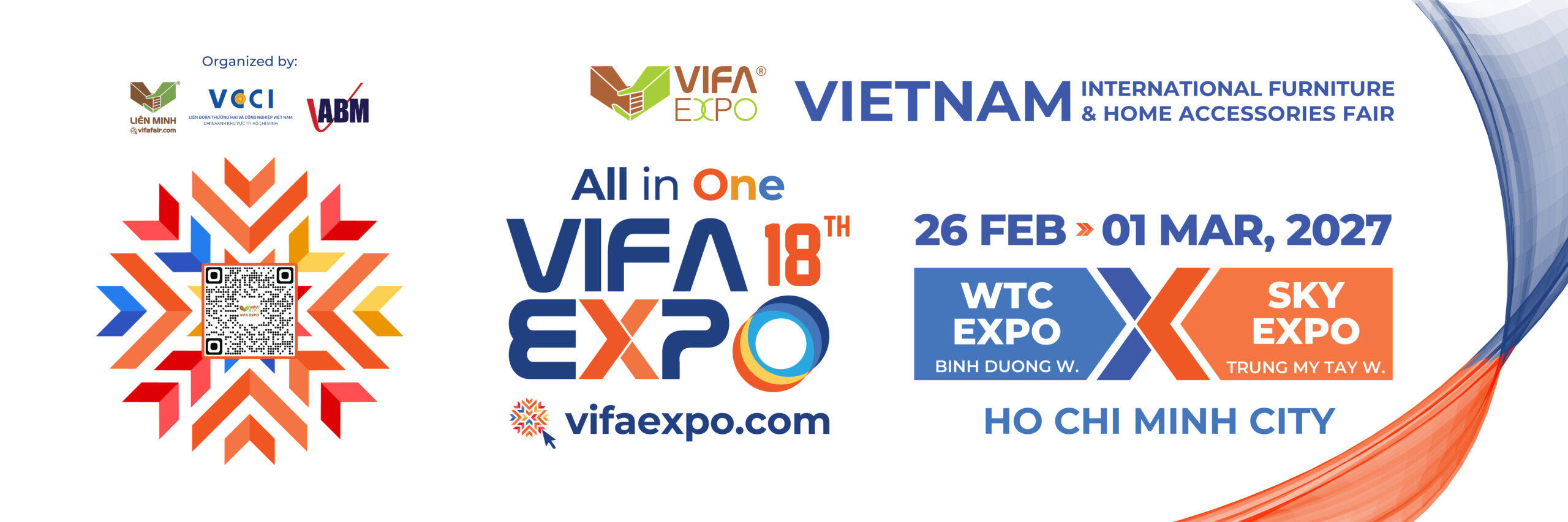
The Vietnam International Furniture & Home Accessories Fair – VIFA EXPO 2027 will take place from 26 February to 1 March 2027 at two exhibition venues: WTC EXPO (Binh Duong Ward) and SKY EXPO (Trung My Tay Ward), Ho Chi Minh City.
WTC EXPO Address: A19, Hung Vuong Street, Binh Duong Ward, Ho Chi Minh City.
See more information on how to get to WTC EXPO: Here
SKY EXPO Address: Lot No. 44, Street No. 1, Quang Trung Software City, Trung My Tay Ward, Ho Chi Minh City.
See more information on how to get to SKY EXPO: Here
VIFA EXPO gives exhibitors the opportunity to meet buyers, importers, and potential partners from global markets, including more than 110 countries and territories across Europe, the Americas, Asia, Oceania, and Africa. Through face-to-face meetings and business-matching activities, businesses can receive orders and contracts from international buyers, while gaining a better understanding of market demand, product trends, and potential partners.
The event is also an opportunity for businesses to assess their product competitiveness, prepare suitable customer engagement strategies, and gradually expand their export activities.
Don’t miss the opportunity to expand your export markets and build long-term connections with international buyers at VIFA EXPO 2027!
With nearly 20 years of development, VIFA EXPO has established itself as Vietnam’s longest-running and largest annual international trade fair for export-oriented furniture and handicrafts. It has become a trusted meeting point for businesses in the furniture and home furnishings industry and international buyers.
If your business manufactures and exports furniture, wooden products, home décor, or handicrafts, VIFA EXPO 2027 is an opportunity to promote your brand, showcase your products, and receive export orders from global markets.
Contact us for further assitance about booth registration, support programs, and guidance for exhibitors.