
When visiting an international furniture and home furnishings trade fair, buyers do not simply come to look around or search for attractive product designs. They usually have specific business objectives in mind.
For furniture manufacturers and exporters, understanding these expectations is an important step in preparing products, developing a professional company profile, and building an effective customer engagement strategy.
So, what are international buyers really looking for at a furniture and home furnishings trade fair? And how can businesses prepare themselves to become potential suppliers and long-term partners?
1. New products, distinctive designs, and products that match global market trends
One of the main reasons international buyers visit furniture and home furnishings trade fairs is to discover new products to add to their business portfolios. They are interested in creative designs, distinctive styles, unique features, practical functionality, suitable materials, and products that match consumer preferences in their target markets.
In the furniture and outdoor furniture industry, product trends constantly evolve according to lifestyles, consumer needs, and the characteristics of each market. Some buyers look for modern and minimalist designs, while others prioritize natural materials, handcrafted products, decorative items, or highly functional furniture for indoor and outdoor spaces.
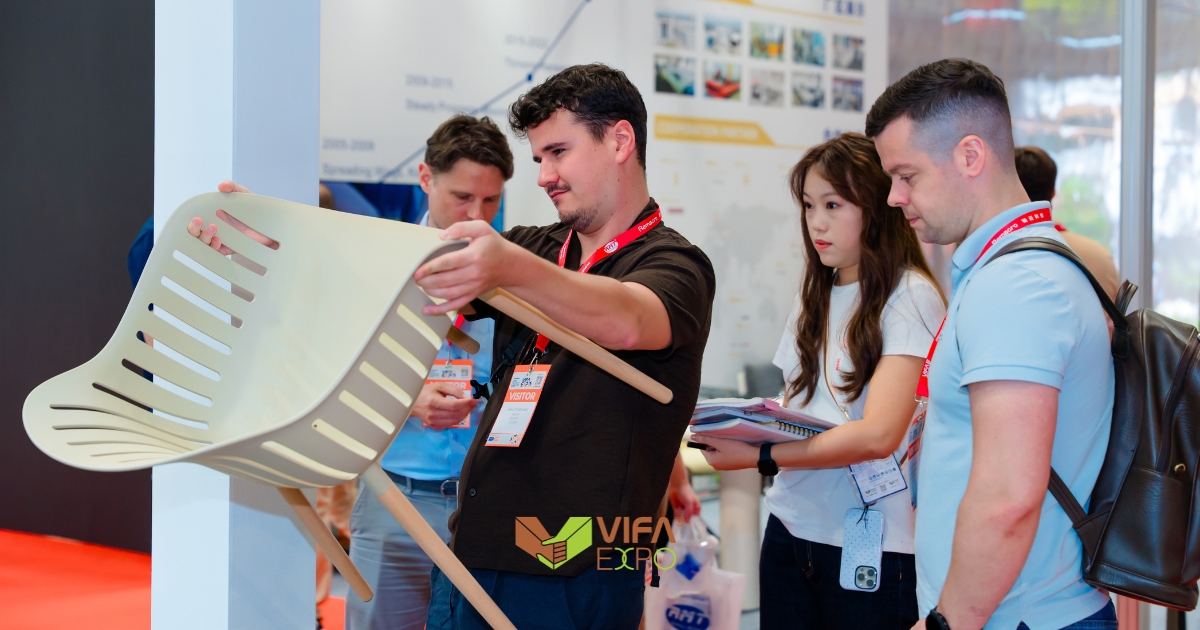
In addition, booth layout and product presentation deserve careful attention. Products should be arranged thoughtfully and neatly, with clear highlights and a display that resembles a real living or working space. This helps buyers visualize how the products can be used and easily identify the company’s key collections. Brochures, catalogues, product images, and detailed information should also be well prepared to make product selection easier and more convenient for buyers.
2. Suppliers with strong manufacturing capabilities and a stable supply chain
An attractive design and high-quality product can capture a buyer’s initial attention, but manufacturing capabilities are what help buyers assess a supplier’s potential and decide whether to establish a business relationship. For international importers, distributors, and retailers in particular, choosing a reliable supplier that can meet order quantities, quality standards, and delivery schedules is a key priority.
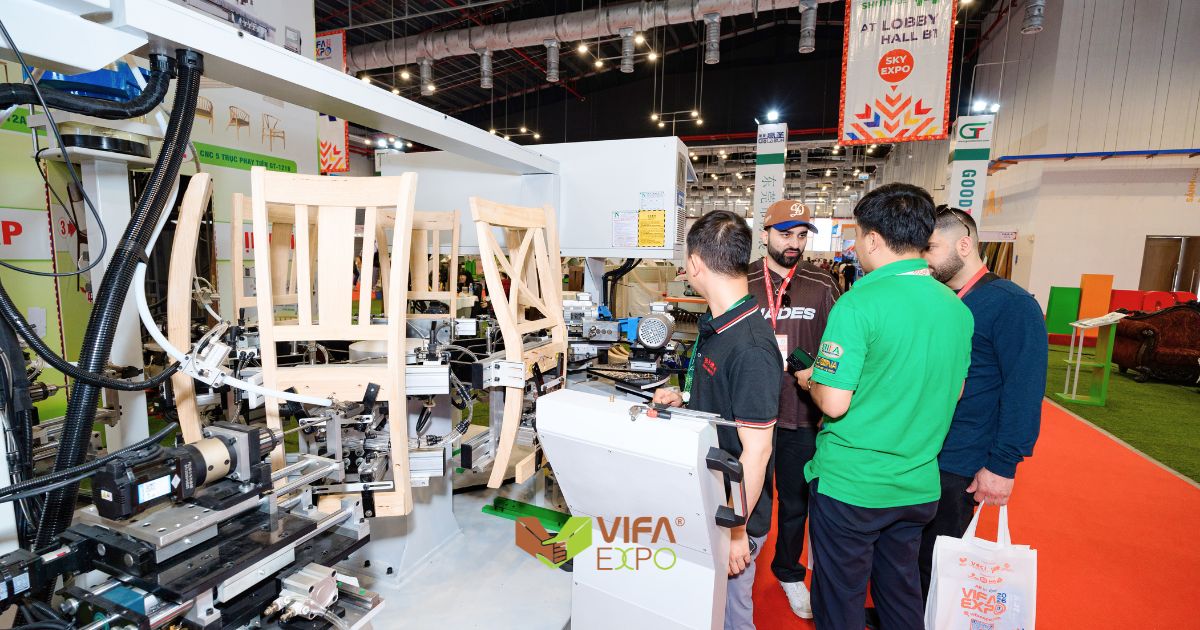
When looking for partners at a furniture and home furnishings trade fair, buyers often evaluate:
Production capacity: Can the supplier meet the expected order quantities?
Quality control: Can the supplier maintain consistent product quality across different batches?
Production and delivery schedules: Can the supplier meet the agreed timelines?
Product development capabilities: Can the supplier adjust designs, dimensions, or materials according to specific requirements?
Supply stability: Can the supplier maintain a reliable supply over the long term?
Businesses should prepare a clear company profile that highlights factory scale, production capacity, manufacturing processes, quality control systems, and export experience. Images of factories, production lines, and completed projects are also useful materials that allow buyers to evaluate a supplier’s actual capabilities.
In addition, booth staff should be familiar with key information such as Minimum Order Quantity (MOQ), production lead times, supply capacity, and product technical specifications. Providing specific and consistent information helps make discussions with potential partners more professional and effective.
3. Competitive pricing and transparent trade terms
Pricing is one of the important factors buyers consider when evaluating and comparing suppliers. However, the lowest price is not always their top priority. Buyers generally assess the overall value by considering selling prices, product quality, shipping costs, trade terms, and the supplier’s ability to fulfill orders.
For indoor and outdoor furniture products, differences in materials, craftsmanship, design, and manufacturing processes can result in different price levels. Therefore, buyers need clear information to evaluate the actual value of each product.

Before participating in a trade fair, businesses should prepare suitable price lists for different product lines and clearly define their sales policies. Information such as MOQ, production lead time, delivery terms, and payment methods should be ready so that staff can respond promptly to buyers’ questions.
More importantly, businesses need to clearly communicate their products’ competitive advantages compared with similar products on the market. Instead of focusing only on offering lower prices, they should demonstrate product value through quality, design, materials, manufacturing processes, and the ability to meet customer requirements.
4. Products that meet the standards and requirements of import markets
Each export market has its own requirements regarding product quality, materials, product origin, and relevant standards. Therefore, when looking for suppliers, international buyers consider not only product design and pricing but also the supplier’s ability to meet these requirements.
In the furniture and home furnishings industry, factors such as timber origin, material composition, product safety, quality standards, and environmental responsibility may influence buyers’ supplier selection decisions, depending on the product category and import market.
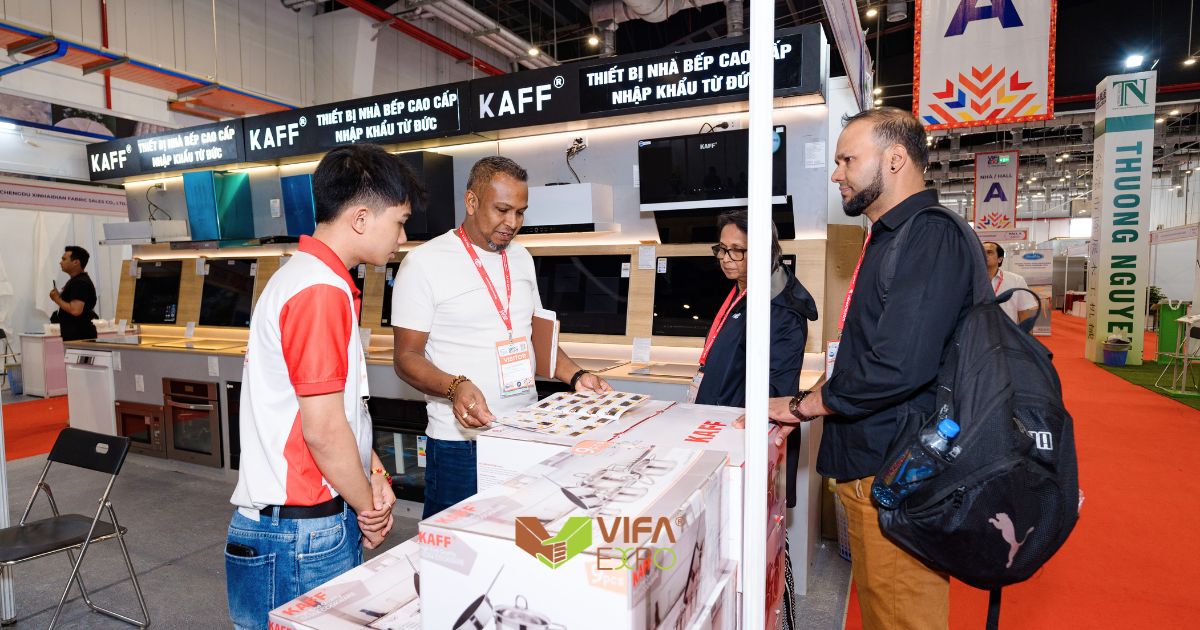
Some of the information buyers may be interested in includes:
Product-related certifications and quality standards.
Raw material origins and traceability when required.
Quality control procedures and product inspection processes.
The ability to meet environmental and sustainability requirements.
The ability to customize products according to the regulations or needs of each market.
Businesses should proactively research the requirements of their target export markets, such as the United States, the EU, the UK, Japan, South Korea, Australia, and Canada. Depending on their product categories, they should prepare technical documents, material information, certifications, and other relevant documents to demonstrate their ability to meet buyers’ requirements.
5. Professional partners with the ability to build long-term business relationships
For international buyers, a successful transaction depends not only on product quality but also on how effectively both parties work together throughout the business relationship. They often prioritize suppliers with professional working processes, prompt communication, and the ability to handle unexpected requests.
A potential supplier should demonstrate the ability to:
Communicate and exchange information clearly.
Respond promptly to requests for quotations, product samples, and technical specifications.
Adjust designs or develop products according to specific requirements.
Maintain product quality and supply schedules as agreed.
Provide customer care and after-sales support.

Businesses should prepare a professional company profile in English or another language suitable for their target customer groups. Booth staff should have a thorough understanding of the products, possess effective communication skills, and be familiar with the basic aspects of order negotiations.
In particular, post-show customer follow-up should be considered an essential part of a trade fair participation strategy. Businesses should record each buyer’s contact details, purchasing needs, and discussion points so they can proactively send quotations and product samples after the event.
6. Access to multiple suppliers and products at a single event
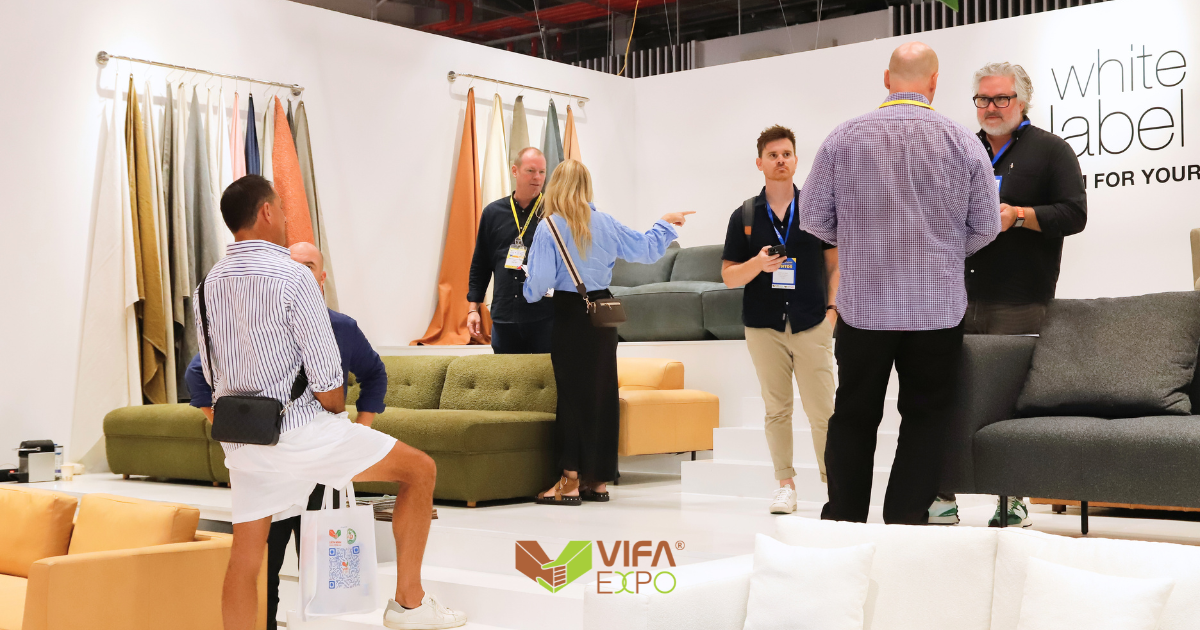
Time is an important factor for international importers and buyers. Rather than contacting individual manufacturers at different locations, they often prefer specialized trade fairs that bring together many businesses from the same industry, allowing them to explore a wider range of options more efficiently.
At a large-scale furniture and home furnishings trade fair, buyers can:
Meet directly with multiple manufacturers and suppliers at one event.
Explore a wide range of products with different designs, styles, and materials.
Compare product quality, pricing, and supply capabilities.
Search for new suppliers or alternative sources of supply.
Expand their business networks and keep up with industry trends.
This is also why international trade fairs have become an important channel for buyers to source products directly and develop their supplier networks.
There is an opportunitie for businesses to connect with global buyers
For furniture manufacturers and exporters, finding the right international buyers requires more than ordinary product promotion. Businesses need a platform where they can reach customers with specific purchasing needs, demonstrate their manufacturing capabilities, and receive orders directly from buyers.
The Vietnam International Furniture & Home Accessories Fair – VIFA EXPO 2027 is expected to feature up to 3,000 booths across a total exhibition area of 55,000 m². The event offers businesses opportunities to showcase their products, meet tens of thousands of buyers from around the world, and expand their business networks within the industry.
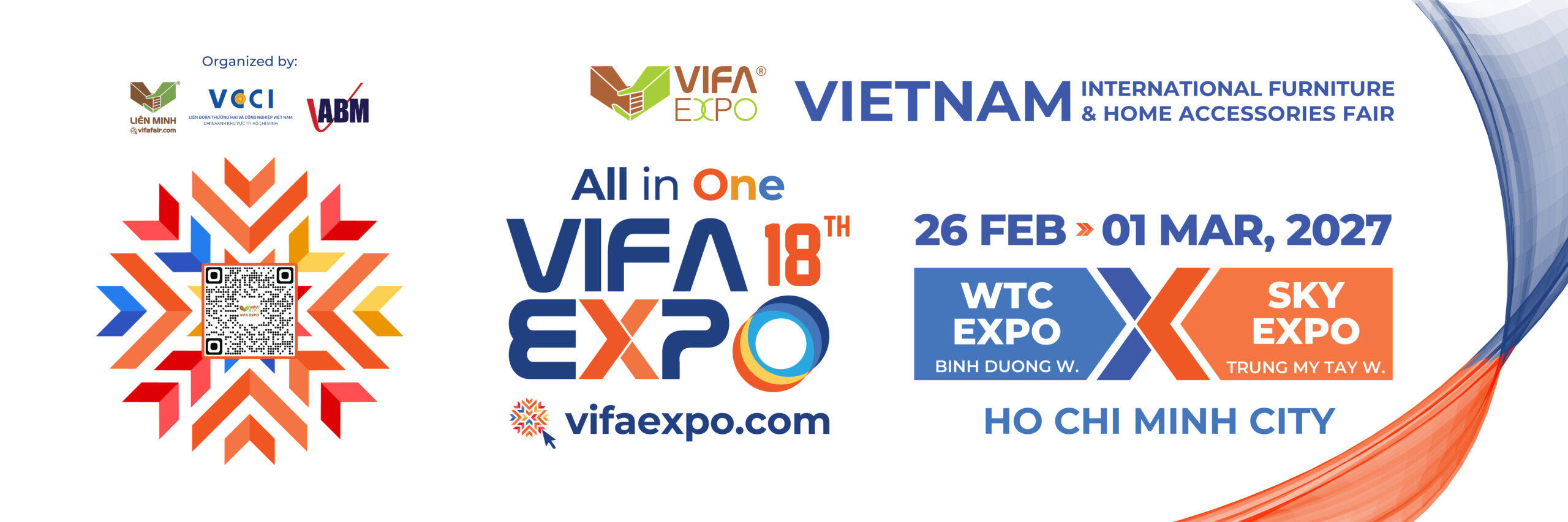
Through its business networking activities and trade support programs, VIFA EXPO 2027 offers businesses various opportunities to connect with potential partners:
Product Exhibitions: Showcase furniture, outdoor furniture, home décor, and handicraft collections to visitors and international buyers.
1:1 Business Matching Program: Increase opportunities to meet and communicate directly with partners who are looking for products and suppliers.
Factory Visit Tours: Give buyers the opportunity to visit factories and gain first-hand insights into actual manufacturing processes and production capabilities.
Free Shuttle Bus Service: Support transportation between venues and key locations according to the scheduled routes: WTC EXPO – SKY EXPO – Hotels – City Center.
Networking and Trade Promotion Activities: Help businesses access industry insights through seminars, expand business relationships, and stay connected with the business community.
For more details about the support programs at VIFA EXPO 2027, please visit here
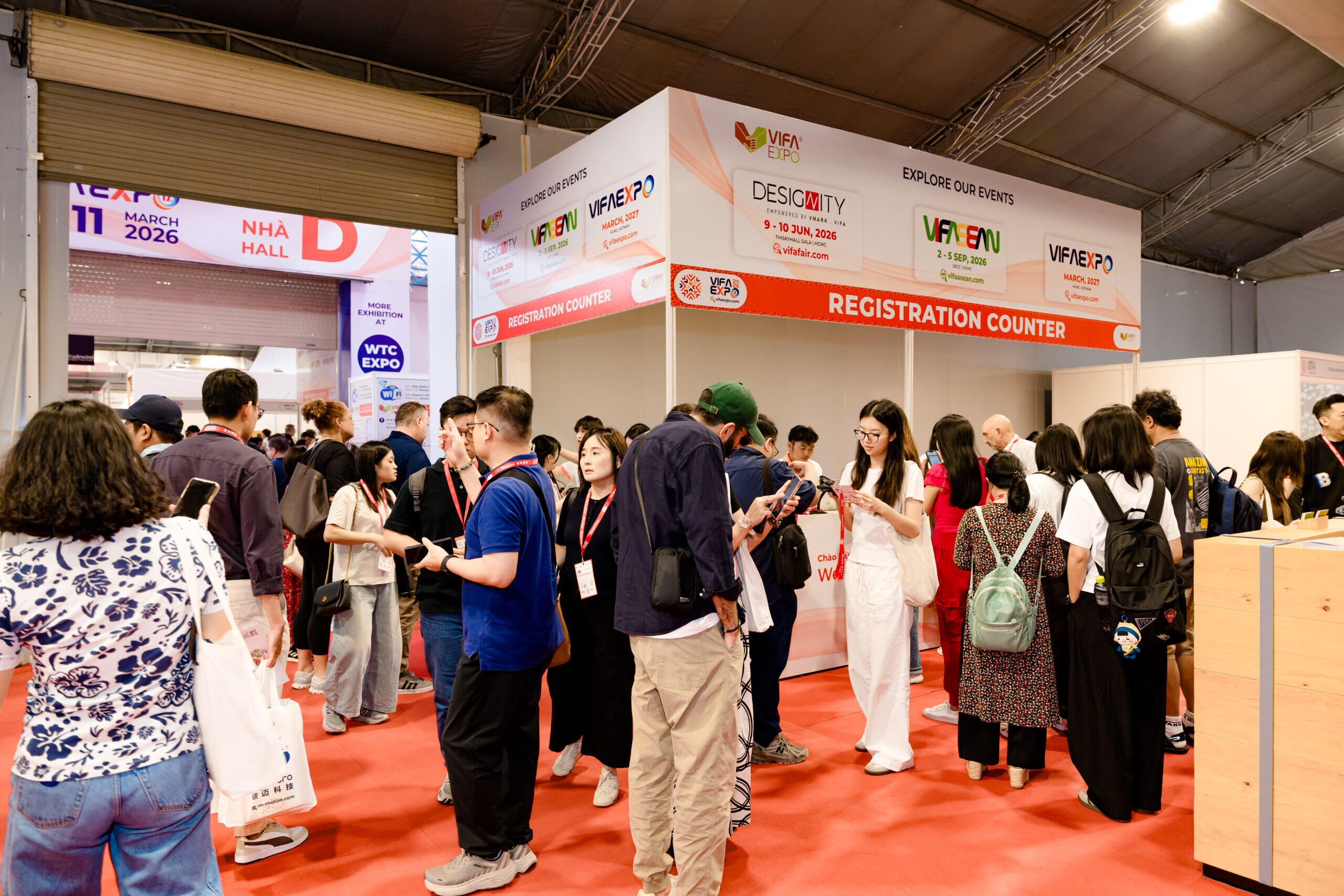
Business Networking Results at VIFA EXPO 2026
The effectiveness of a trade fair is not measured solely by visitor numbers or exhibition scale. It is also reflected in business networking outcomes, orders, and contracts generated at the event.
According to a survey of selected exhibitors at VIFA EXPO 2026, 80% of surveyed exhibitors reported having secured contracts or Memorandums of Understanding (MOUs). The reported total value of contracts and MOUs signed at the fair reached approximately USD 190 million.
These results demonstrate VIFA EXPO’s role as a platform where businesses can showcase their products, strengthen brand recognition, demonstrate their manufacturing and export capabilities, and receive orders directly from global buyers with specific purchasing requirements.
Businesses looking to expand into international markets and increase export orders can refer to the VIFA EXPO 2026 Post Show Report here
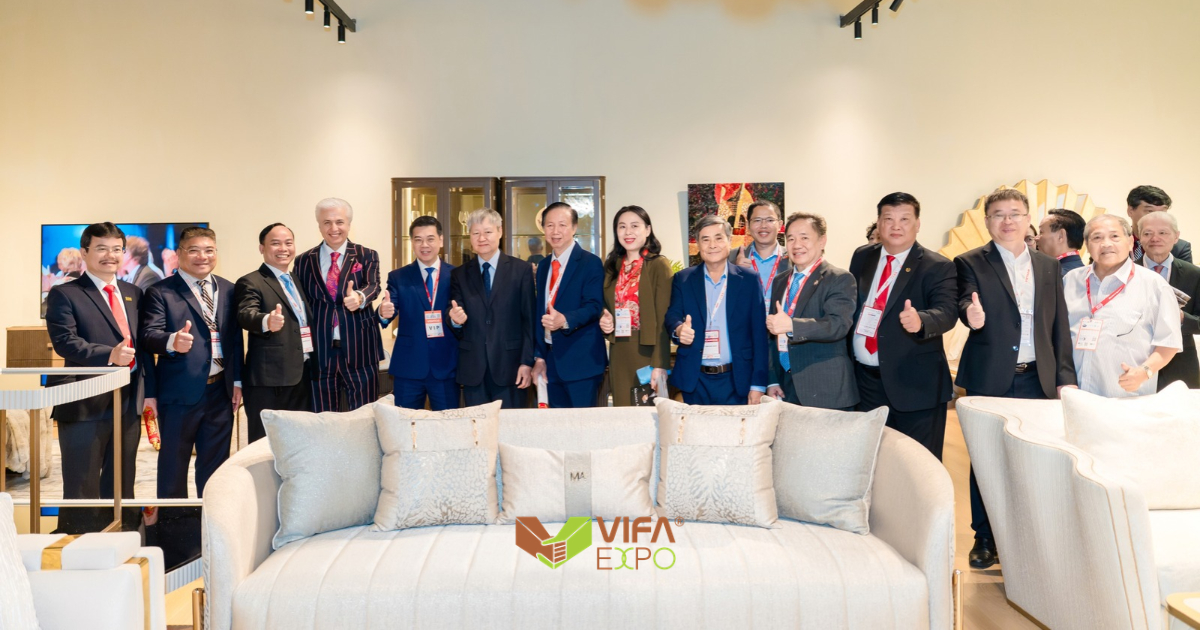
Are you looking for opportunities to showcase your products and expand your export markets?
Contact us for further assitance about booth registration, support programs, and guidance for exhibitors.
- Website: https://vifaexpo.com/for-exhibitor/
- Email: info@vifafair.com
- Hotline: +84 79 999 7657
Contact the VIFA EXPO 2027 Organizing Committee to learn about booth registration, support programs, and guidance for exhibitors.